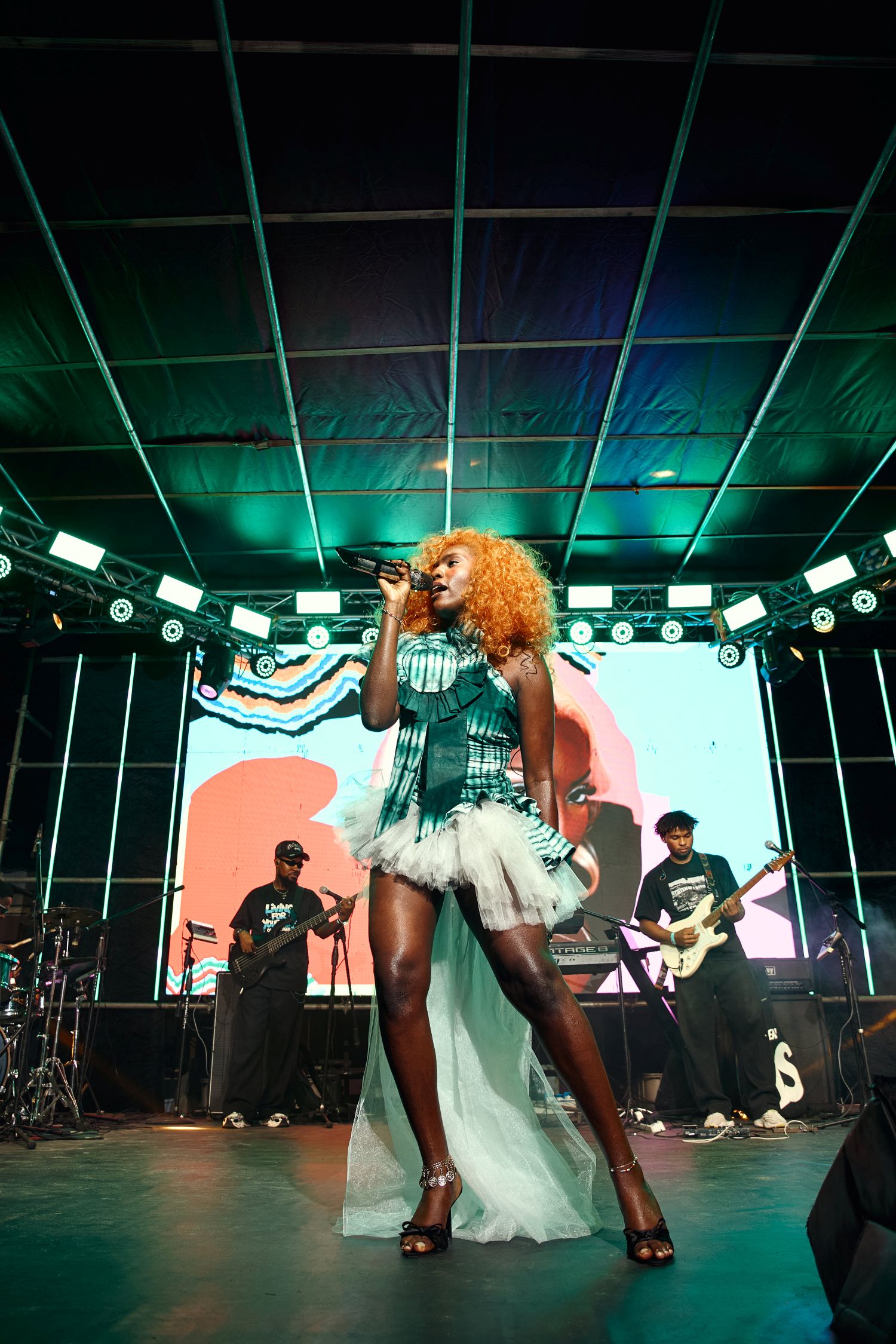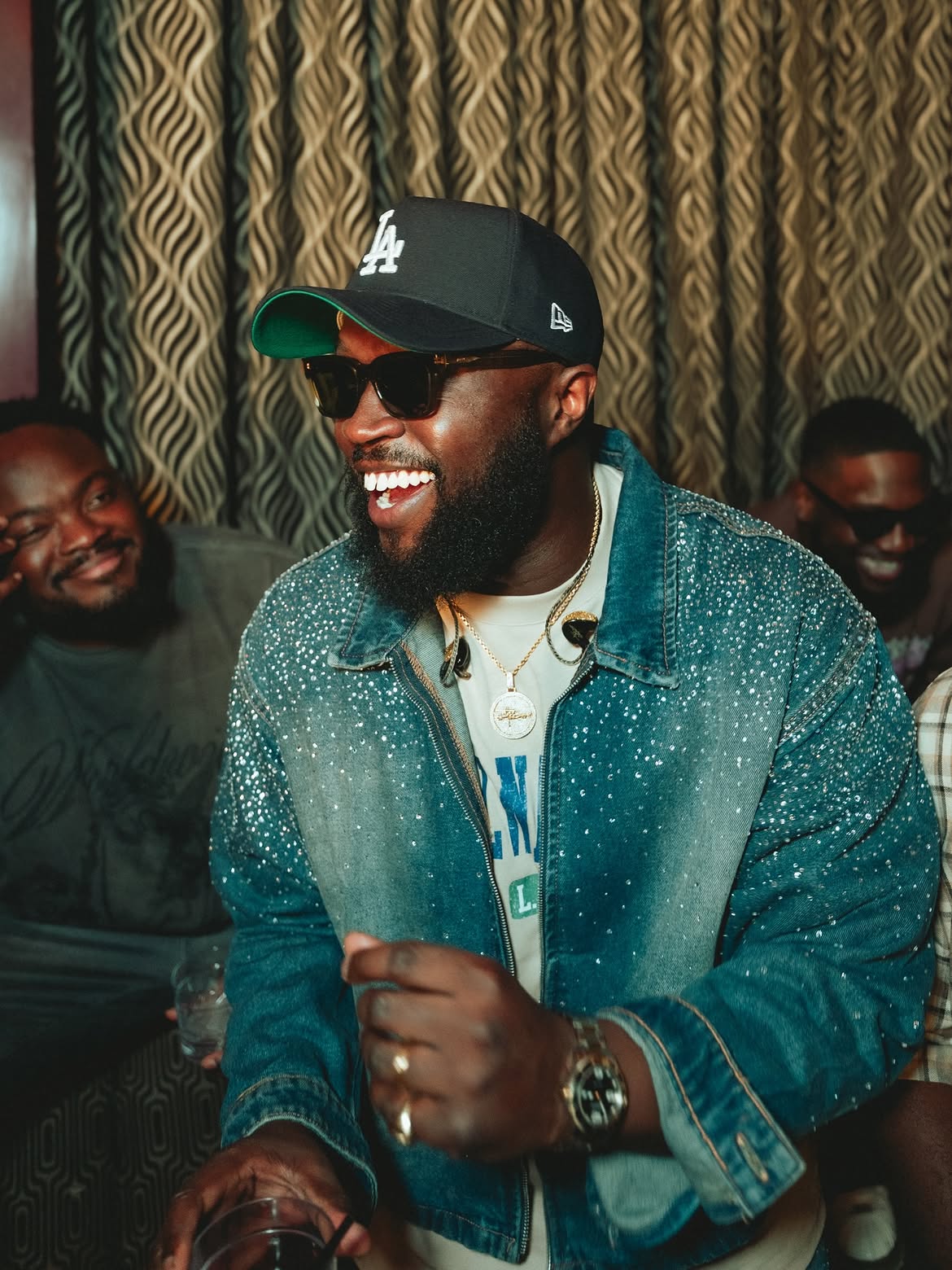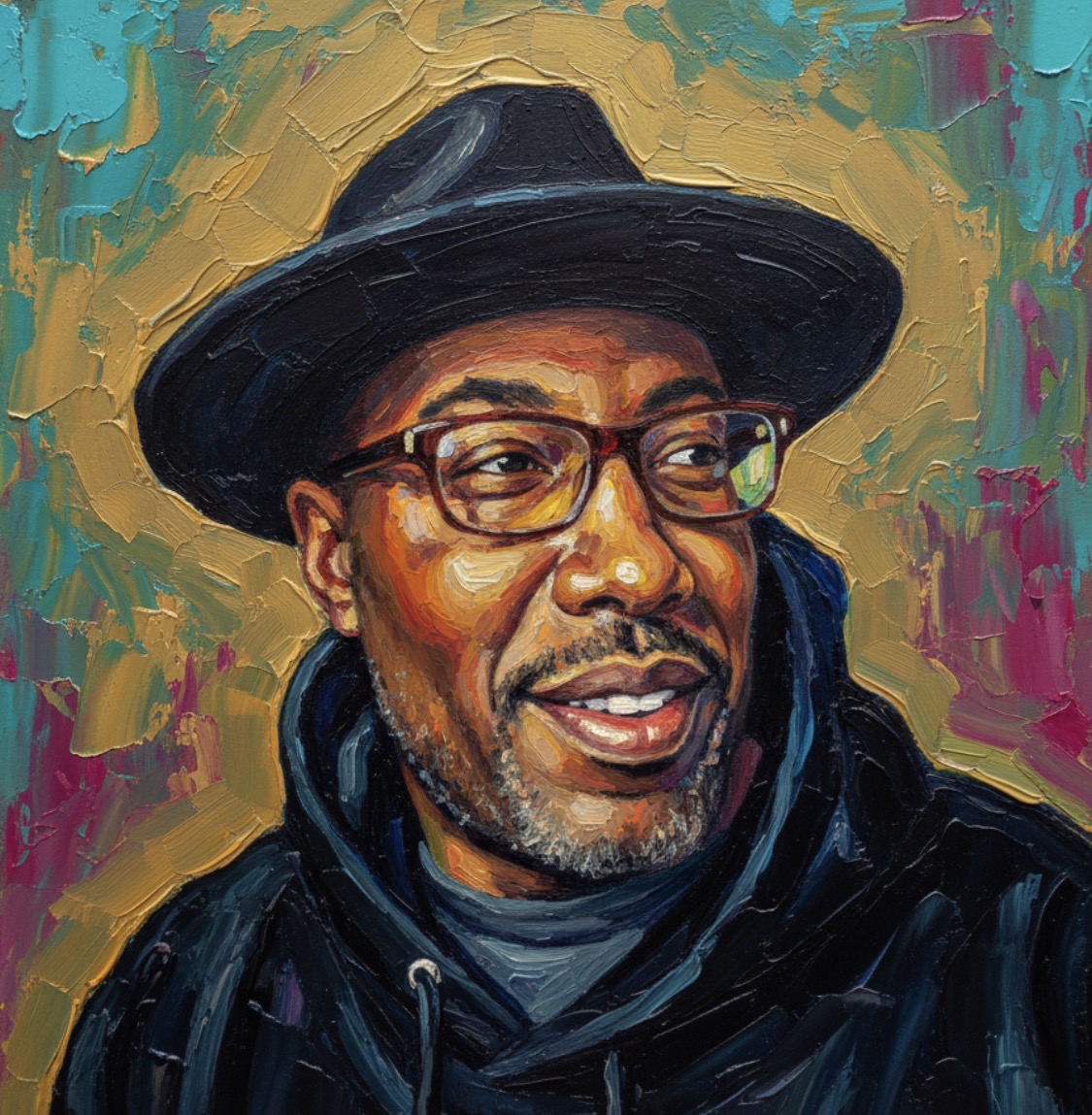
Sophomore albums rarely afford artists the luxury of standing still. After a breakout record, the expectation is evolution, often measured by how dramatically an artist can distance themselves from what worked the first time. Tyla isn’t interested in that game.
APOP* arrives with the confidence of an artist who believes her sound doesn’t need rebuilding, only refining. That’s both the album’s greatest strength and its most persistent limitation.
From its opening moments, APOP* hints at something more disruptive. A burst of electric guitar suggests a left turn before quickly giving way to the polished mix of pop, amapiano and R&B that has become Tyla’s signature. It’s a clever bit of misdirection. For the next forty minutes, the album rarely strays far from familiar ground.
That isn’t necessarily a criticism. If her self-titled debut introduced Tyla’s world, APOP* is concerned with making it feel lived in. The production is tighter, the sequencing more cohesive, and there’s far less anxiety about proving her crossover credentials. Even when the album reaches for mainstream pop, it does so without abandoning its South African pulse.
That’s most obvious in the collaborations. Rather than stacking the tracklist with international names, Tyla keeps the album remarkably close to home. MaWhoo and Babalwa M don’t feel like features drafted in for streaming numbers; they deepen the album’s emotional and cultural texture. “Fairytale,” with its nod to Liquideep, is another reminder that Tyla’s most compelling musical instincts still point back to Johannesburg.
Even Zara Larsson, the album’s lone international guest, feels like an exception that proves the rule. On “She Did It Again,” neither artist overshadows the other. It’s a polished pop record, but one that comfortably exists within Tyla’s world rather than pulling her into someone else’s. Where APOP* begins to lose momentum is in its commitment to consistency.
The album is almost too cohesive. Songs glide into one another so effortlessly that individual moments sometimes struggle to leave a lasting impression. By the time “Chanel” arrives, it feels like a reminder of just how magnetic Tyla can be when melody, personality and production lock in completely. Few songs here reach that same level of immediacy.
That’s the paradox at the heart of APOP*. The very discipline that makes it a coherent album also keeps it from becoming a truly thrilling one. Tyla rarely overreaches, but she rarely surprises either. For an artist branding this era as “A*POP,” there are surprisingly few moments that feel like genuine departures.
Still, perhaps reinvention was never the point. Pop music has become increasingly preoccupied with spectacle. Every album is expected to arrive with a manifesto, a visual overhaul or an entirely new sonic identity. APOP* pushes back against that expectation. It argues that there’s still value in mastering a sound before abandoning it. And Tyla has every reason to trust hers.
Her blend of amapiano, Afropop and contemporary R&B remains one of the most distinctive sounds in mainstream music, not because it’s radically experimental, but because she delivers it with remarkable clarity. Her breathy vocals never fight the production; they move through it with an ease that’s become unmistakably her own.
APOP* won’t redefine Tyla’s career the way her debut did. It doesn’t expand the boundaries of popiano or radically alter the blueprint she established on her debut. What it does is something quieter: it confirms that the blueprint wasn’t an accident. For some listeners, that will feel like playing it safe. For Tyla, it sounds like knowing exactly which risks are worth taking.