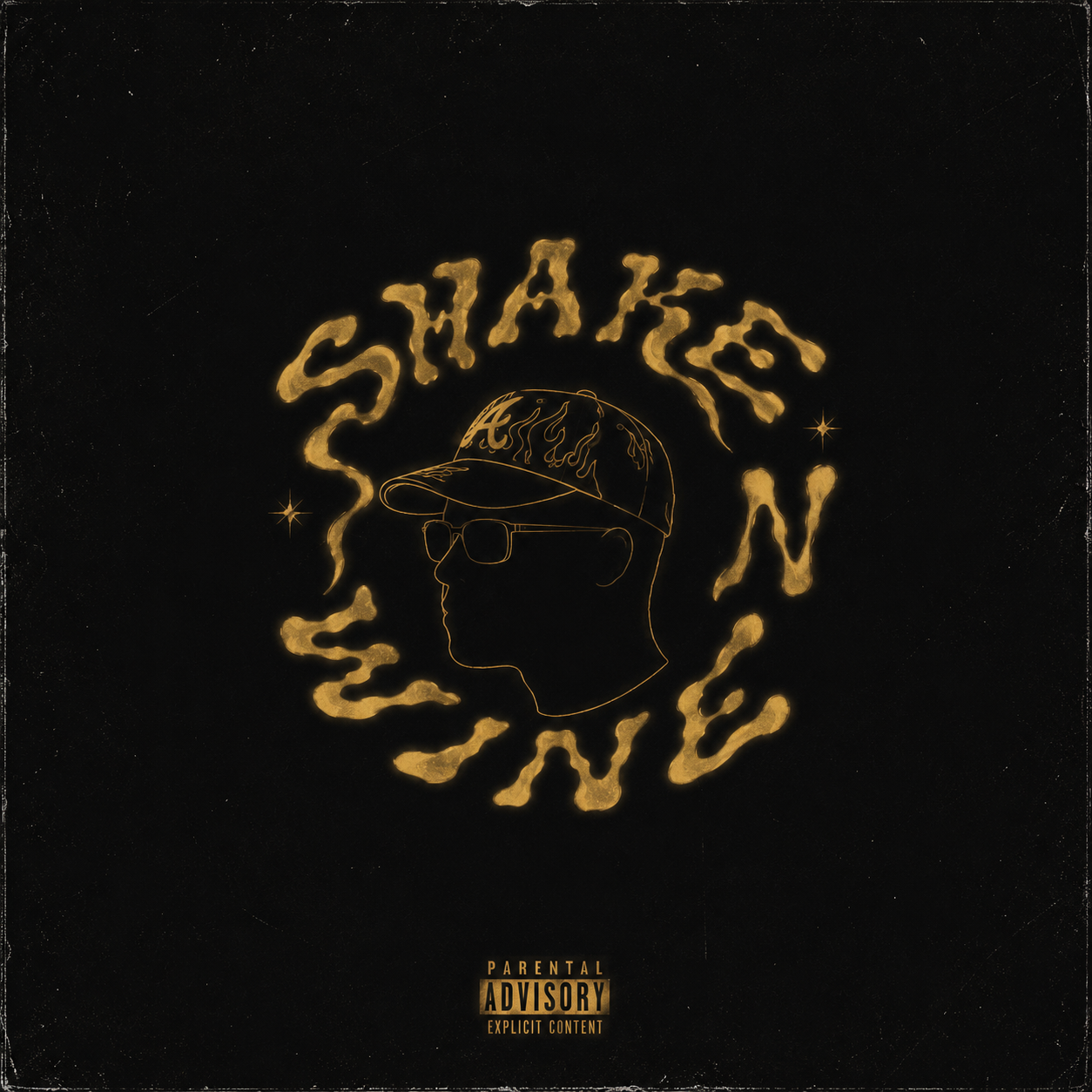

Before you read anything about Edenojie, before you understand where he is from or where he performs, you meet him through the music. Through a voice that sounds careful with its words. Through songs that do not feel engineered for attention, but shaped by lived experience.
Edenojie grew up in Port Harcourt. He started singing in church. He now performs regularly in Dubai’s live music circuit. Three very different environments that, taken together, explain the kind of artist he has become: resilient, emotionally grounded, and disciplined by performance.
You hear all of this most clearly in “See You Again,” his tender, grief-soaked record written as a dirge to a loved one. The song is patient. It does not rush its emotion. It does not bend itself into trend. At a time when many artists are sprinting toward whatever is current, Edenojie is content to sit with what is true.
And yet, for someone with this much clarity in his music, there is surprisingly little written about him.
No long interviews. No carefully packaged narrative. Just songs, live shows, and listeners who feel like they have stumbled onto something personal.
This conversation is an attempt to change that, to put words to the person behind the voice, and to understand how an artist can spend years developing quietly, choosing honesty over hype, and trusting that discovery, when it comes, will be earned.
Upper: You grew up in Port Harcourt, started in church, and now perform regularly in Dubai. How have these three very different environments shaped the kind of artist you are today?
Edenojie: Growing up in Port Harcourt gave me resilience and hunger, you learn early how to stand your ground and stay focused.
Church shaped my foundation; it taught me how to feel music deeply and respect where it comes from. Then Dubai refined me. It pushed me out of my shell, inspired me to perform consistently, and helped me grow into myself as an artist. All three places shaped me differently, but they all brought me back to one thing, being true to who I am.
Upper: Before people heard your music, who were you? What kind of child, teenager, and young adult becomes “Edenojie”?
Edenojie: Firstly, I’m a son. That’s my foundation. Growing up, I was a lively kid — curious, a bit mischievous, always creating something. I had a lot of energy and people felt that, but at the same time I was very shy. Music was always there, even before I understood it fully. Edenojie is just me stepping into who I’ve always been.
Upper: Your sound sits somewhere between soul, gospel, R&B, jazz, and Afro influences. At what point did you consciously decide, “This is my lane,” rather than following a more commercial Afrobeats template?
Edenojie: I wouldn’t call it jazz, I respect jazz too much to just throw it in. But soul, R&B, gospel, and Afro influences are definitely in my DNA. I didn’t sit down and say “this is my lane.” I chose honesty. My sound is what comes naturally to me. I’m not trying to fit into trends, I’m focused on being myself. And I believe anything can be commercial if you know how to position it.
Upper: A lot of artists start in church choirs, but not all of them retain that emotional depth in their music. What did church actually teach you about music that you still carry today?
Edenojie: Church taught me to believe what I sing. Not just perform it, but feel it and understand it. That stayed with me. Even when a song starts from a vibe, there’s always a deeper place it comes from. I don’t hold back emotionally, if I need to feel it, I go there.
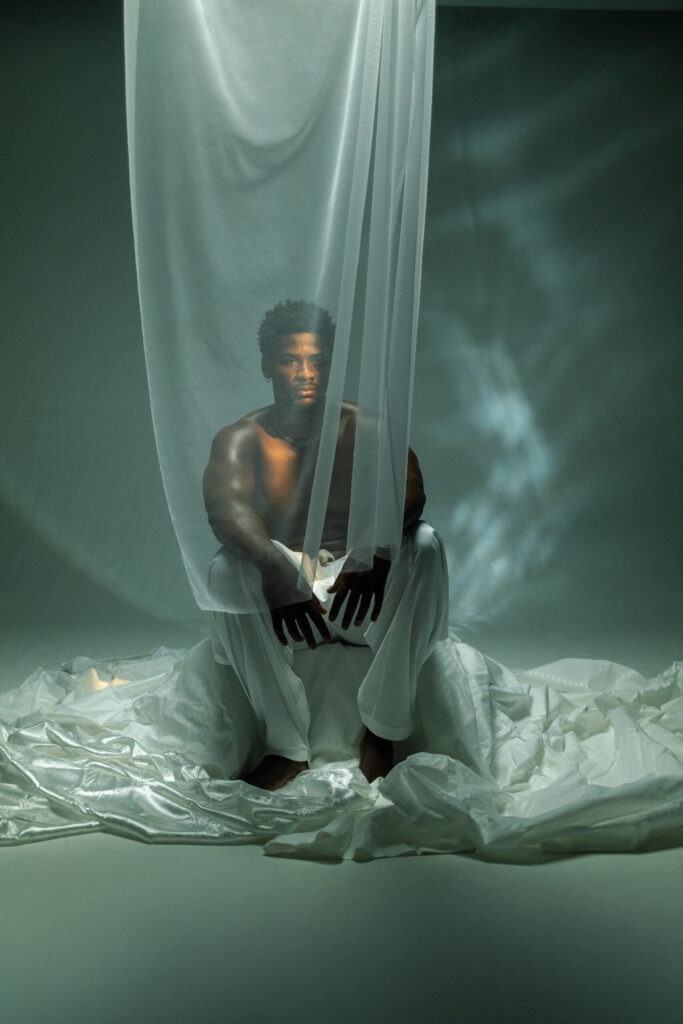
Upper: You’ve been performing consistently in Dubai’s live music scene. What has performing for such a culturally mixed audience taught you about your own sound and identity?
Edenojie: Performing in Dubai showed me that originality is everything. In a city with so many cultures, you can’t fake it. Some people get it, some people don’t, and that’s okay. I’ve learned to stand fully in who I am and trust that the right people will connect.
Upper: Music listeners are just discovering you through singles without knowing the story behind them. When you write songs like “See You Again” or your previous releases, what personal experiences are you translating into music?
Edenojie: My music is my life. Where I’ve been, what I’ve felt, what I’m still figuring out. Songs like See You Again come from very real places — grief, love, growth. I’m not trying to manufacture emotions, I’m documenting them.
Upper: What do you think people often misunderstand about artists who don’t chase viral moments but focus on musicianship and live performance?
Edenojie: There’s a misconception that artists who focus on musicianship or live performance don’t want success as much, but that’s not true. We want it just as much, if not more. The difference is we’re preparing for longevity. We’re not chasing moments, we’re building something that can last when the moment comes. We are playing the discovery game
Upper: If someone had to describe Edenojie in one sentence beyond “a Nigerian singer,” what would you want that sentence to say?
Edenojie: I’d rather people describe me based on their real experience with me. If there’s one thing I hope comes through, it’s honesty, in my music and in how I show up as a person. Whatever people say, I want it to be true.
Upper: You’ve been steadily building without much media spotlight. Why have you chosen a quieter path so far, and what made now the right time to start telling your story?
Edenojie: The quiet phase was necessary. I was learning about myself, my sound, and the industry. Now, it feels right to step forward and tell my story properly. I want people to understand me through my music, not assumptions. And this is just the beginning.
What stands out, after speaking with Edenojie, is not ambition in the loud, familiar sense. It is intention.
The same intention that runs from his childhood in Port Harcourt, through the discipline of church music, to the steady routine of performing in Dubai. A pattern of learning before announcing. Of feeling before performing. Of allowing the music to mature before asking the world to pay attention.
It explains why there has been so little written about him until now. Edenojie was not withholding a story; he was still living it.
And as listeners begin to find their way to songs like “See You Again,” what they are encountering is not an artist trying to catch up with the moment, but one who has taken his time preparing for it.