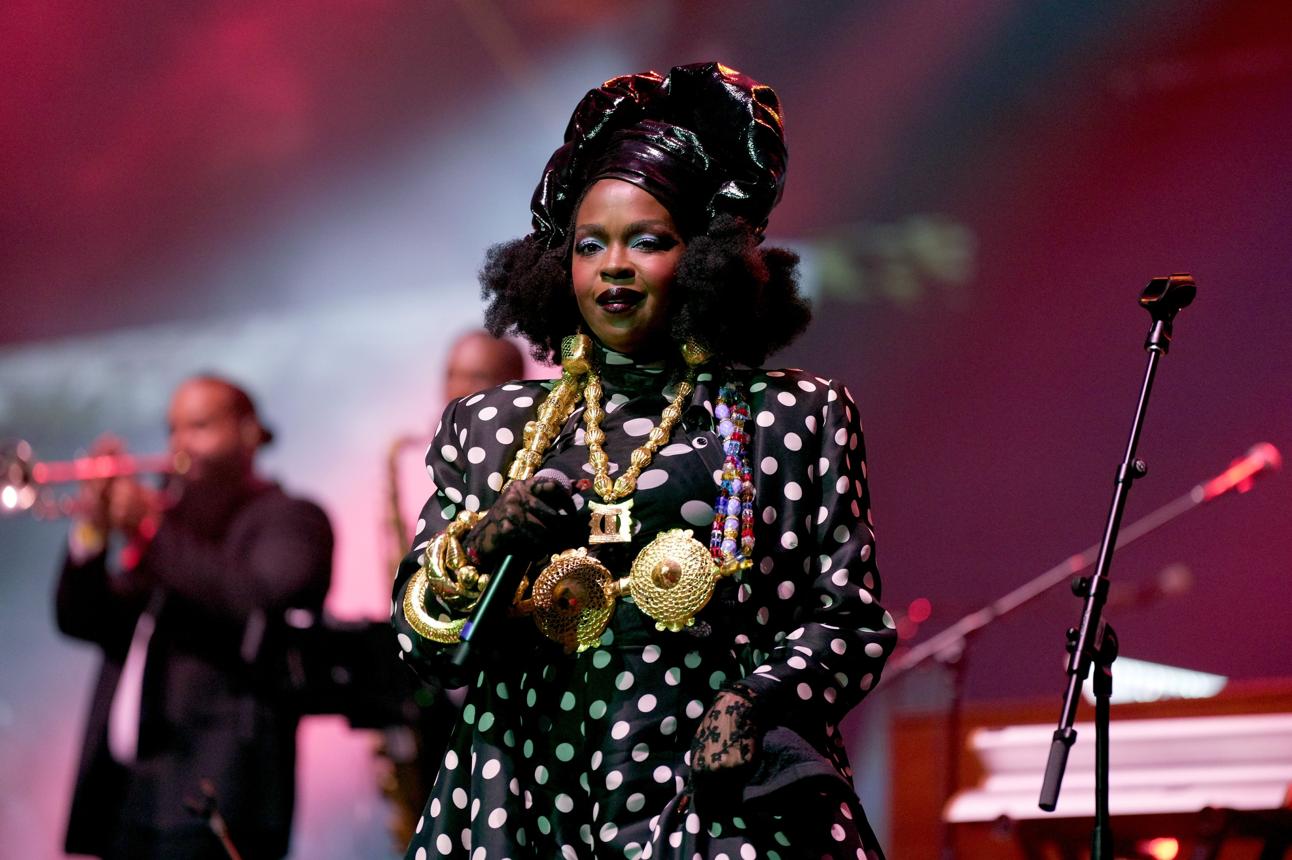
Next month, Lagos will host one of the most ambitious live music lineups in its history. Over two weeks in December 2026, international stars like Lauryn Hill, Brandy, Summer Walker, and Young Thug will fly into Nigeria to share stages with local heavyweights Wizkid, Davido, and Asake.
From the 13-day Detty December Fest at Ilubirin to Flytime Fest at Eko Convention Centre and Davido’s residency at the newly renovated National Theatre, the city is operating like a global festival capital. On the surface, it is the ultimate proof of Afrobeats’ arrival—an industry so lucrative and culturally magnetic that the world’s biggest touring acts now route their December calendars through Lagos.
Yet look at the box office reality behind these marquee posters, and a sharp economic irony appears. Entry-level standing tickets for these 2026 shows start at ₦50,000 for Wizkid, ₦80,000 for Davido, and ₦100,000 for Asake’s M$NEY in Lagos, while top VIP tables reach ₦20 million. In a state where the statutory minimum wage is ₦85,000 a month, and where relentless inflation has squeezed disposable income, these prices are detached from everyday life.
The average Lagosian, the very person whose streaming numbers and street energy turned Afrobeats into a global export, cannot realistically afford to stand in the room.
This disconnect has turned Nigerian live music into a strange business paradox. While global Afrobeats tours gross tens of millions of dollars abroad, Nigeria’s formal domestic ticketing revenue has historically lagged at roughly $1 million annually, according to PwC’s Africa Entertainment and Media Outlook.
Because general admission passes are priced beyond the reach of ordinary residents, major December concerts struggle to move regular volume and instead rely on diaspora returnees (“IJGBs”), corporate buyouts, and a tiny circle of table spenders to break even.
Even so, there is no easy villain here. Show organizers are not arbitrarily inflating prices out of malice; they are trying to turn a profit inside an unsubsidized, high-risk economy.
Top Nigerian headliners now command upwards of ₦150 million to ₦200 million per performance, while foreign acts require guaranteed fees in US dollars.
Promoters must also import international-grade sound and lighting equipment priced in foreign currency, pay steep venue levies, and run entire festival villages off-grid on diesel generators.
Unlike live music hubs in London or New York—which benefit from municipal arts grants, tax rebates, and purpose-built arenas—Lagos concerts carry almost zero institutional subsidy.
Still, survival pricing comes at a heavy cultural cost. When an industry relies on dollar-indexed tickets to cover domestic infrastructure failures, live music stops being a shared civic experience and becomes an exclusive luxury good.
Local fans are reduced to watching their own cultural homecoming through phone screens, locked outside the gates while tourists and elites occupy the floor.
Afrobeats has proven it can conquer global charts and attract the biggest names in music to Nigerian soil. The harder test now is economic sustainability at home.
Until Nigeria builds subsidized civic venues, tax incentives, and tiered funding models that lower production overhead, every December will repeat the same quiet contradiction: a multi-million-dollar music industry throwing the party of the year in a city where the hosts cannot afford a ticket.