
Ghanaian music is in a fascinating place. On the surface, the industry appears to be operating at full volume. International collaborations have become commonplace. Streaming numbers continue to climb. The country’s artists are increasingly participating in global conversations around African music, from Afropop’s commercial boom to alternative sounds finding audiences far beyond West Africa.
But underneath this momentum, another movement is taking shape—one that is quieter, more intentional, and perhaps more consequential.
The next chapter of Ghanaian music may not be defined by who goes viral fastest or who dominates the next algorithm. It may instead be shaped by artists asking different questions altogether: How do we preserve our sonic identity while remaining globally relevant? How do we build sustainable careers rather than temporary moments? What does artistic authenticity look like in an industry increasingly obsessed with speed?
Across Ghana, a new generation of musicians is answering these questions in real time. They are building slowly, thinking deeply, and creating with a sense of purpose that feels remarkably distinct from previous eras.
Among them are three artists whose approaches offer a compelling glimpse into what comes next: RCee, Malaïka, and Kwame Dabie.
Together, they reveal an emerging blueprint for Ghanaian music—one rooted in intentionality, identity, and long-term vision.
RCee and the Return of Reinvented Highlife
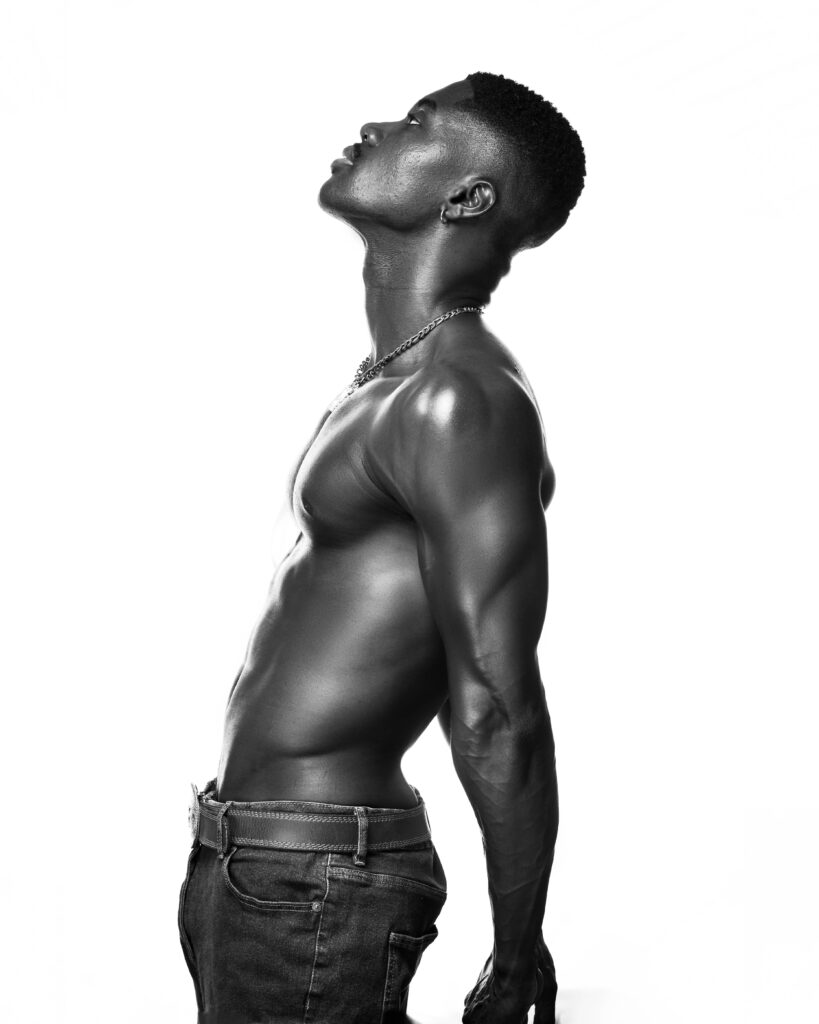
Every generation of Ghanaian music has had to answer one recurring question: what becomes of highlife? For RCee, the answer lies not in preservation but evolution. Raised in Kumasi, RCee approaches music with a patience that feels almost radical in today’s industry. His records carry a quiet confidence, refusing the urgency that often defines contemporary pop. Instead of chasing the dominant sounds of Afrobeats, he has turned his attention toward reimagining one of Ghana’s most important cultural exports.
His music folds highlife into R&B and reggae, producing songs that feel simultaneously familiar and contemporary. Nothing in his catalogue sounds forced. There is no sense of reaching for trends or manufacturing relevance. His music simply exists on its own terms. Rcee describes his artistry as “mood management,” and the phrase perfectly captures his approach.
Songs like Agenda, Knees & Bend II, and Atiaa are less concerned with immediate impact than emotional resonance. They explore love, vulnerability, and personal growth with a gentleness that rewards repeated listening. “Success isn’t about viral moments for me; it’s about impact,” he says. “I want to make music that makes people feel seen.”
That philosophy is increasingly significant within Ghana’s musical landscape. As African music becomes more globalised, questions of cultural identity become more urgent. RCee’s work suggests that the future of Ghanaian music may depend not on abandoning traditional forms but on finding new ways to interpret them.
His growth, more than 21,000 monthly Spotify listeners built steadily over time—reflects that same philosophy.”I could chase quicker streams,” he says, “but I’d rather build something that lasts—something rooted in who I am.”
In many ways, RCee represents a broader shift happening across Ghanaian music: a renewed belief that longevity and cultural authenticity can coexist.
Kwame Dabie and the Era of Strategic Independence
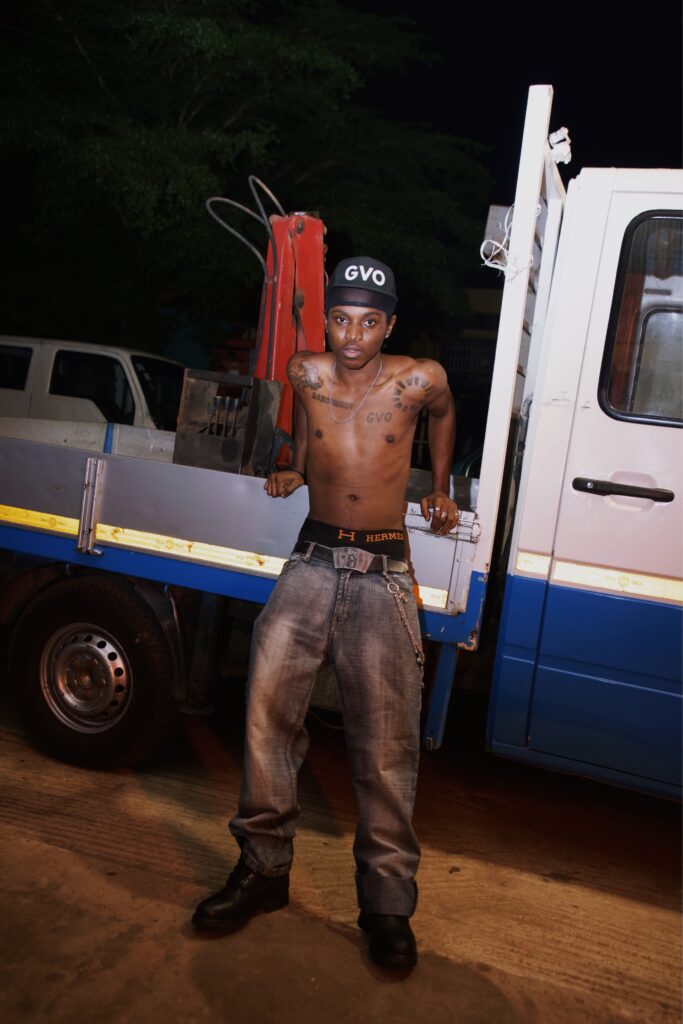
Few embody that quality more completely than Kwame Dabie. Emerging from Tema—a city synonymous with some of Ghana’s most distinctive rap voices—Dabie approaches music less like a performer and more like an architect.
“I see my music career like a movie,” he says. “And I’m the one holding the script.” The statement is revealing.
Dabie does not see songs as isolated releases. He sees them as chapters in a larger narrative. Across four EPs, he has methodically built an artistic identity that moves fluidly between trap, Afrobeats, and hip-hop while navigating English, Twi, and Pidgin with remarkable ease.
His project FALSE PROPHETS feels less like experimentation and more like consolidation, a clear indication that his vision is beginning to take shape. He describes that vision as “Gargantuan Vibes” or GVO. More than branding, it is a philosophy.
“It’s not even about numbers,” he says. “It’s about executing what I planned and knowing I stayed disciplined.”
Discipline emerges repeatedly in his reflections. Resisting trends. Trusting his instincts. Remaining committed to his direction even when immediate rewards are absent. “I’d rather stay true to the story I’m trying to tell.”
This mindset increasingly defines Ghana’s next generation of artists. Many are moving away from reactive career-building and toward strategic independence. They are thinking in terms of bodies of work, long-term identity, and sustainable creative ecosystems. When asked how he hopes this period of his life will be remembered, Dabie speaks not about fame but perseverance.
Malaïka and the Rise of Intentional Storytelling
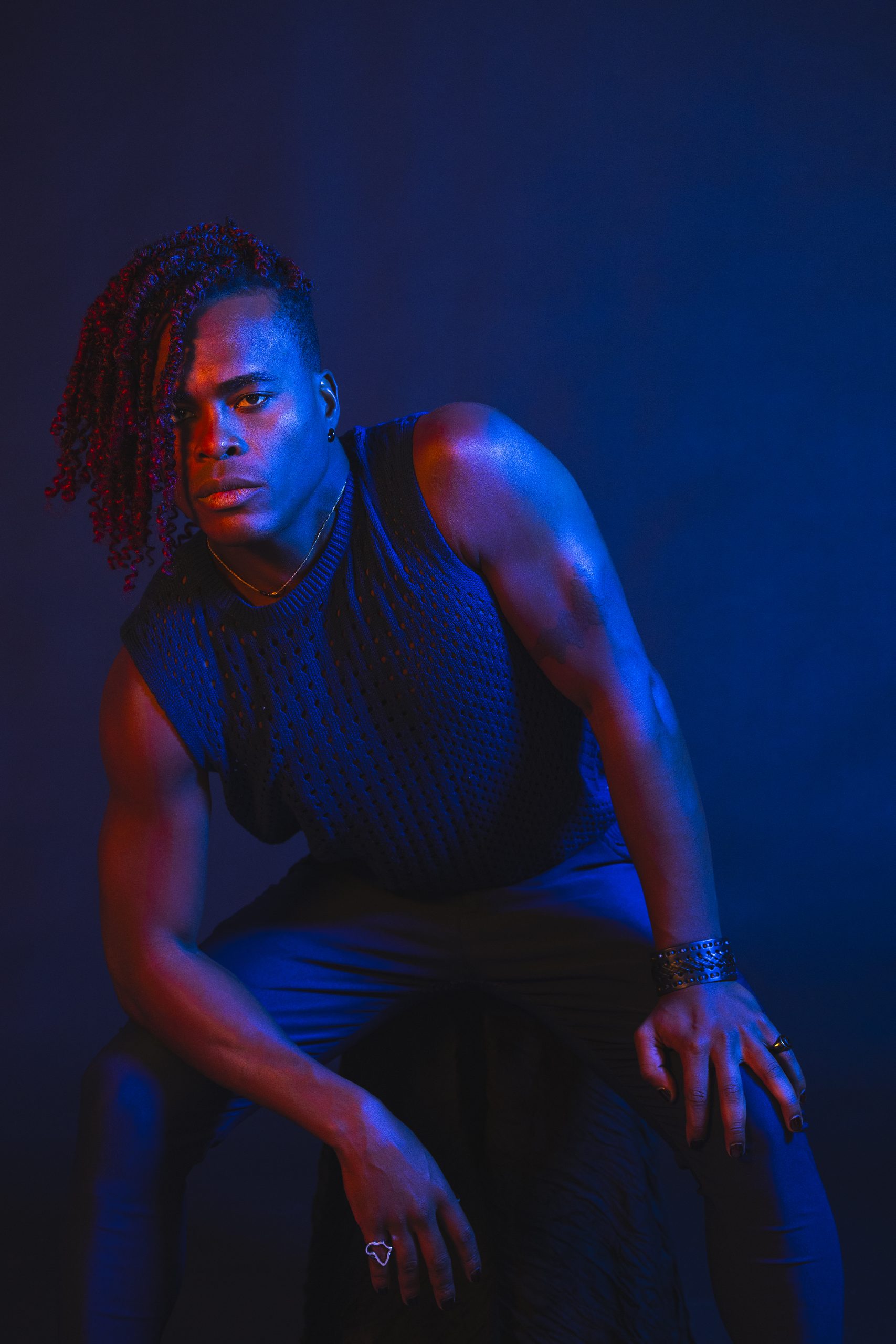
If RCee’s work asks what Ghanaian music should sound like, Malaïka’s asks something equally important: what should music remember? Born Malaika Naa Lamley Aryee-Boi and based in Accra, the singer’s music feels deeply personal without becoming inaccessible. Drawing from Ghanaian, Cameroonian, and German influences, she moves effortlessly between soul, R&B, zouk, and makossa.
Yet her music’s defining quality is not genre. It is honesty. She describes her sound as “a warm hug,” and much of her work feels like an invitation into her internal world. Her project 27 embodies this philosophy. More than a collection of songs, it functions as self-documentation. Through music and photography, she explored questions surrounding identity, values, and self-understanding.
“Music for me is a tool of archiving, like a time capsule,” she says. That perspective reveals something increasingly important about Ghana’s emerging artists. Many are no longer treating music solely as entertainment or commercial output. They are using it as a form of documentation—an archive of emotions, experiences, and cultural realities.
Malaïka also understands that artistic growth is communal. She speaks passionately about collaboration and the importance of engaging with fellow Accra-based artists like Ria Boss and Elsie Raad. Her admiration for artists such as Darkua, Baaba J, and Annabel Rose also points to an often-overlooked reality: some of Ghana’s most boundary-pushing music is currently being created by women who have yet to receive proportionate recognition.
Rather than expressing frustration, she speaks with awareness.
She recognises that a significant cultural moment is unfolding. And perhaps this, too, tells us something about Ghana’s future. The next generation of Ghanaian artists is becoming increasingly invested in community, intentionality, and meaningful audience relationships. Listening sessions, intimate gatherings, and direct artist-fan interactions are beginning to matter as much as streaming numbers.
For Malaïka, artistic success begins with discipline, taking care of the body, the voice, and the mind. The work happens before the music arrives.


![{"remix_data":[],"remix_entry_point":"challenges","source_tags":["local"],"origin":"unknown","total_draw_time":0,"total_draw_actions":0,"layers_used":0,"brushes_used":0,"photos_added":0,"total_editor_actions":{},"tools_used":{},"is_sticker":false,"edited_since_last_sticker_save":false,"containsFTESticker":false}](https://theupperent.com/wp-content/uploads/2026/10/26-10-19_02-15-30-590-scaled.jpg "26-10-19_02-15-30-590")