In a soundscape where Afrobeats, spirituality, and culture constantly collide, Emmanuel Akin-Onigbinde—better known as Eri Ife—is quietly carving out his own lane. His music sits at the crossroads of deep conviction, intentional artistry, and unmistakable African flavor, all while refusing to fit neatly into the “conventional gospel” box.
In this interview, Upper speaks with Eri Ife about his journey from hesitating to making “gospel music” to fully embracing faith in his sound, the jollof-inspired story behind his single “Aroma,” and why his latest five track EP Rubicon marks a point of no return in his life and calling.
Upper: You mentioned that your music and life have evolved over the last 9–10 years, especially in how your faith shows up in your songs. Can you walk us through that evolution and how it’s affected your reach as an artist?
Eri Ife: Over the past 9–10 years, my life experiences have expanded significantly, and that naturally started to show up in my music. Between 2017 and 2021, my faith was not very prominent in my songs. People who knew me personally knew where I stood, but if you only knew me through my music, you might not have picked up on that.
What’s interesting is that when my faith started to show up more clearly in my music, that’s when more people began to discover me. It’s a pattern I’ve noticed: as my sound and expression became more aligned with my convictions, my music found its people more solidly. So it’s a mix—my music evolved in quality and direction, but I also think it’s now truly finding the audience it was meant for.
Upper: Listening through your catalogue, there’s a clear resistance to what people would call “conventional church music.” Have you ever had people question whether your music is “gospel enough”? How do you respond to that without compromising your art?
Eri Ife: That’s a very interesting question. Originally, before I started deliberately showing my faith in my music—from around 2017 to 2021, I actually resisted making gospel music. My thinking was, “If I’m going to do gospel music, then I might as well just sing in church and leave it at that.” I didn’t want to be boxed in.
What’s funny is that a lot of the conversations I now see online, especially from around 2023 till now—about what gospel music should or shouldn’t be are conversations I had privately with myself for years.
By the time I started making what you’d call gospel/Christian music deliberately, artists like Limoblaze, Anendlessocean, Gaise Baba, Grace Tena (Manta), Simi Drey, and others had already done a lot of groundwork. As far as I can tell, they were the forerunners of Afro-gospel and non-conventional gospel in Nigeria. Because of them, I didn’t face as much resistance as I might’ve if I’d started this journey earlier.
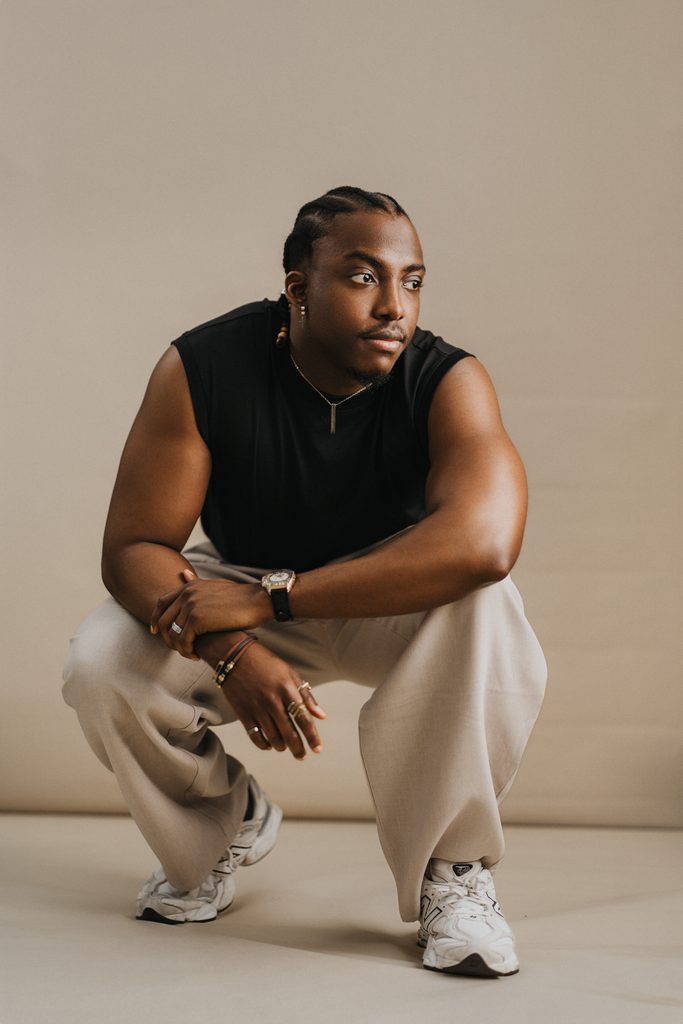
A recent example: I ministered at RCCG City of God in Glasgow. The demographic there is relatively mixed—young people and an older audience. I have braids, beads in my hair, earrings, rings—the whole look. You might expect skepticism, but the reaction was the opposite. What I kept hearing was, “I want my child who likes to braid their hair, who likes rings, to see you and know it’s possible to look like they want and still love Jesus.” That’s been a recurring and encouraging response over the last two or three years. So honestly, I haven’t faced as much resistance as people might assume. If anything, I’ve experienced a surprising amount of acceptance.
Upper: Personally, I find artists like you and Anendlessocean encouraging, especially in how you lean into a higher purpose with your art. Has that sense of calling become clearer as your faith became more central to your music?
Eri Ife: Definitely. There’s a sense of providence to it, like a genuine calling. When I started answering that call more fully, letting my faith be visible in my music, things began to shift. People resonated more, and I could see how God was using the music beyond what I originally imagined. I’m also encouraged that it inspires other artists, like you mentioned, to think about using their gifts for a higher calling. That, to me, is a big confirmation that this is more than just “content creation”.