
For years, Maya Amolo’s music has moved like honey, slow, warm, deliberate. From her early EP Leave Me At The Pregame to her debut album Asali, the Nairobi-born alt-R&B singer carved a space defined by softness, emotional clarity, and melodic restraint. Somewhere along the way, she became known by fans and by herself as “the sweetest girl.”
But sweetness, as Maya is now discovering, is not a limitation. It’s a spectrum.
The Kenyan star’s sophomore album, The Sweetest Time, arrives not as a sharp left turn but as a widening of the frame. It’s the sound of an artist loosening her grip, letting collaborators in, letting genre boundaries blur, and letting every emotion: joy, rage, doubt, tenderness exist without apology. If Asali was an introduction, The Sweetest Time is a reintroduction: to self, to sound, to possibility.
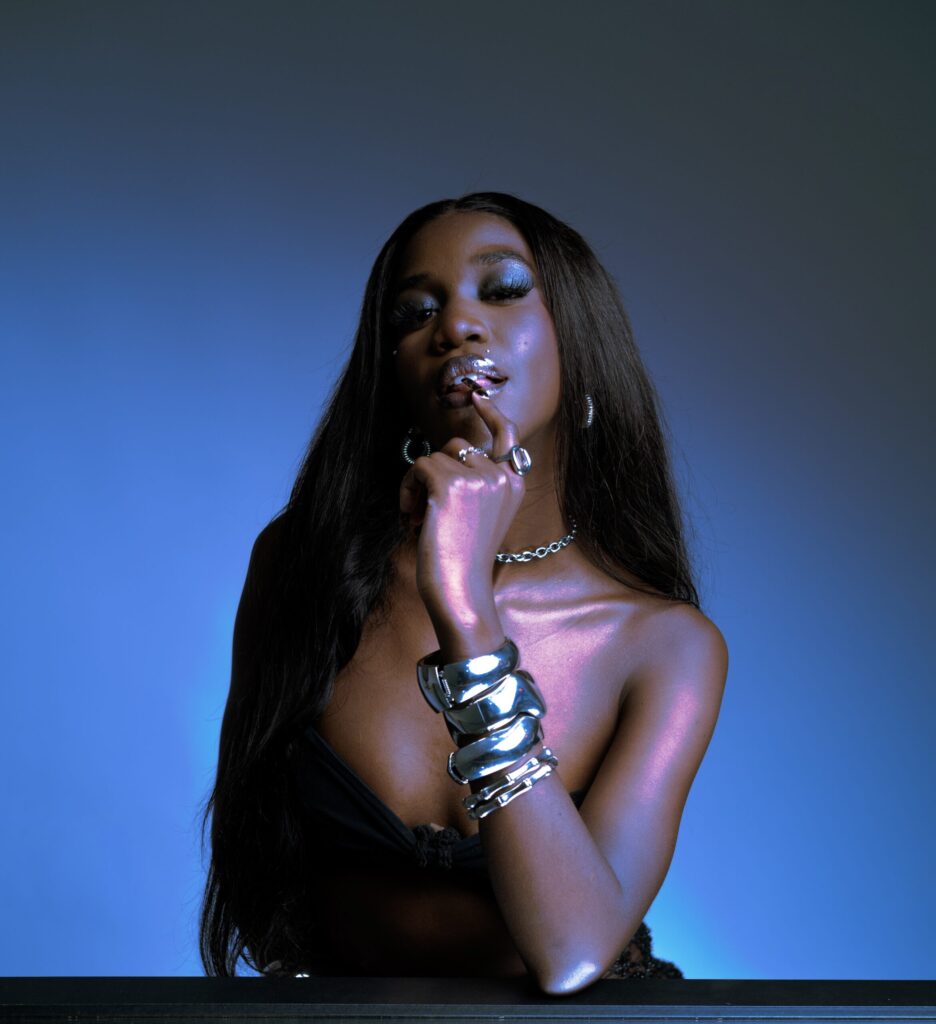
In this conversation, Maya reflects on evolution, vulnerability, collaboration, and what it means to stay rooted while reaching outward.
Your new album, ‘The Sweetest Time‘ marks your first full project since Asali. What was the central idea you wanted this record to communicate?
I think ever since I started calling myself “the sweetest girl,” people seemed to expect the same thing from me musically and sonically. I wanted this project to show that there are so many more dimensions to “sweetness.”
In practical terms, how did your approach to songwriting and production change on this album compared to your debut?
I got a lot more comfortable and confident in myself. I also felt more open to working with more people in the studio and exploring a wider range of sounds and influences. I think it made the project more dynamic, because I didn’t insist on building the melodies and harmonies completely alone this time.
Why did this feel like the right moment to release a sophomore album, and what did you want it to say about where you are now as an artist?
I felt like I was evolving as a person and as an artist, and it felt important to reintroduce myself during that evolution, so it wouldn’t come as a shock to anyone later on.
How did you decide what stories or emotions made it onto this album, and what got left out?
Nothing got left out. This album has alllll of my business (laughs). Everything that made me feel happy, sad, angry, pensive, or reflective from 2023 through to when I finished the album in 2024 is in there.
Were there any risks you intentionally took on this project, either sonically or structurally?
Yes—definitely. I leaned much more into my hip-hop and trap influences. I even rapped for the first time. I was really nervous at first, but I eventually let go of the anxiety because I was genuinely having fun. And I’m really proud of how it turned out.
The album leans heavily into themes of love and emotional awareness. How conscious were you of shaping a cohesive narrative across the tracklist?
Honestly, when I was making the album, I didn’t realize a story was being told at first. It was only after recording a few songs that I noticed the narrative forming. I tend to write about specific periods of my life, so I guess I’m subconsciously creating cohesion. Once I realize that, I focus on tying up loose ends and bringing everything together.
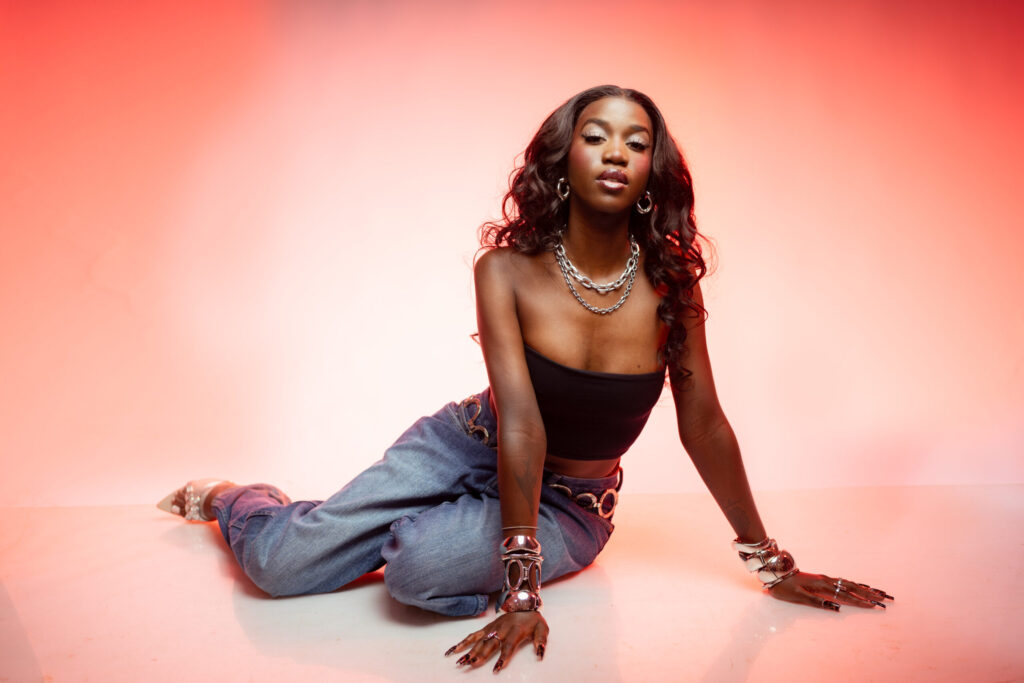
What role did collaboration play in this project, and how did you choose who to work with?
The Sweetest Time wouldn’t be what it is without collaboration. Most of it happened very organically. A lot of the collaborators are friends, or people my friends introduced me to. I can usually tell very quickly what the vibe in the studio is going to be like, and as long as the vibe is right, I feel like I can collaborate with anyone.
Is there a particular song on the album that best represents your growth since Asali?
Definitely “Hollon.” My writing has evolved, I’m having a lot more fun, and I collaborated with tg. BLK as a writer, which is something I wasn’t very open to before. My harmonies have also evolved in a really big way on that song.
How do you want listeners—especially first-time listeners—to experience this album? Is it meant to be consumed in sequence, or does it stand track by track?
In sequence, for sure. I want people to be able to follow the story.
There’s an ongoing conversation about how African artists present themselves globally. As a Kenyan R&B singer, where do you draw the line between staying true to your roots and adapting your sound for an international audience?
I try my best to just be myself, and not morph into too many versions of myself to cater to different people. I think there are organic ways to connect with different audiences, through collaboration and through fusing sounds and genres—without sacrificing what makes you unique.