
Techno DJ and Femme Frequencies co-founder Anithraxx (Naldip Anita) is part of a growing movement shaping the future of electronic music in East Africa. Drawn to music from an early age, she found a deeper connection with techno and has since built a career around the genre while creating opportunities for other women through Femme Frequencies.
In this conversation with Upper Entertainment, Anita reflects on her journey into DJing, the challenges of working in a male-dominated industry, the growth of Femme Frequencies, and her vision for the future of techno in Africa.
Upper Entertainment: You are a techno and house DJ, and also the co-founder of Femme Frequencies. What was your life like before DJing? What were you doing before music became your career?
Anithraxx: Before DJing, I explored several different paths. I worked in sales, spent some time modelling, and experienced different sides of life before finding my place in music. Music itself has always been part of my life. My mother loved music and encouraged me to explore it from a very young age, so that foundation was always there.
Upper Entertainment: You mentioned that music started from a young age because your mom loved music and encouraged you. How did you transition from that early love for music into discovering techno music and eventually becoming a techno DJ? Were there any defining moments that shaped that journey?
Anithraxx: I wasn’t playing techno when I first started DJing, but I was always drawn to that sound long before I knew how to describe it. There was something about the deeper basslines and the energy of the music that resonated with me. It felt expressive and personal.
A defining moment came when I was talking to Richard from Underground Camper about the kind of sound I connected with. He immediately understood what I meant and gave me an opportunity to play at one of his events. That experience changed everything. Techno stopped being something I simply enjoyed listening to and became something I wanted to actively be part of. I’m still grateful to Richard for opening that door for me.
Upper Entertainment: Since becoming a DJ, have there been moments where things did not go as planned during a set or performance? How did you handle those situations?
Anithraxx: There have been plenty of challenges over the years, from technical issues to moments when a crowd responded differently than expected. Those experiences taught me to stay present, adapt quickly, and focus on reading the room rather than panicking.
One experience that stands out happened during a set when another DJ interrupted my performance by plugging in his own flash drive and attempting to take over. It was frustrating, but instead of losing my temper, I focused on regaining control of the situation and rebuilding the energy in the room. Moments like that remind you how important it is to remain professional and composed under pressure.
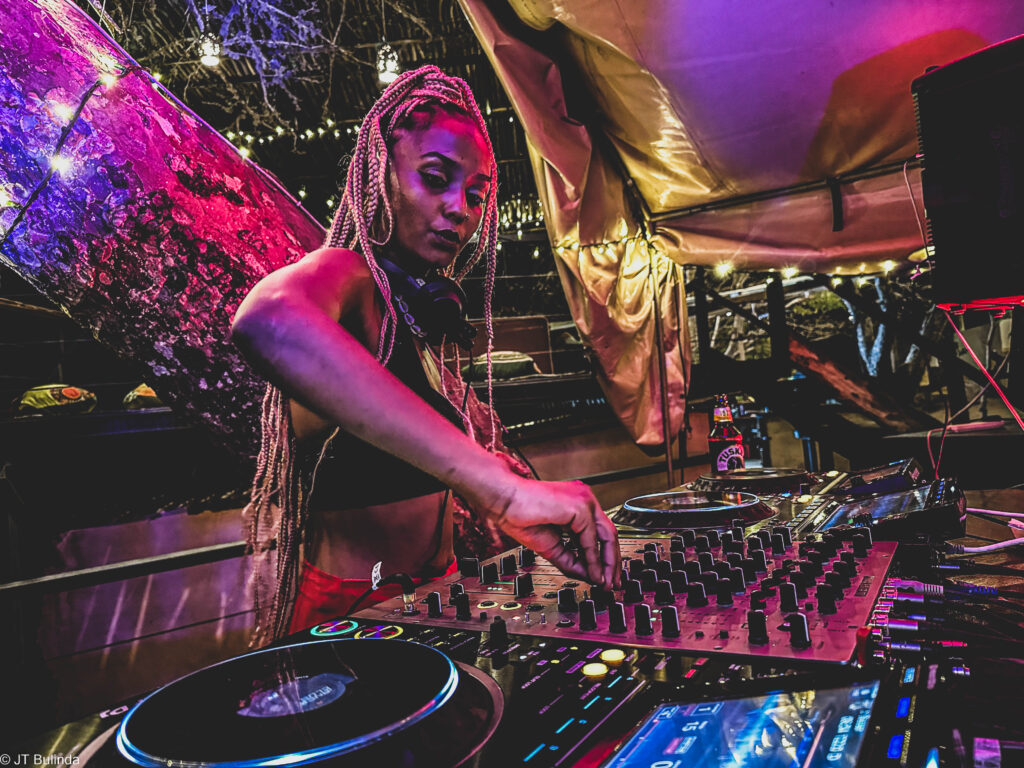
Upper Entertainment: Experiences like that seem to happen quite often, especially to women DJs in the industry. How have you learned to navigate situations like these over time without internalizing them or letting them affect your confidence?
Anithraxx: More women are entering the industry and claiming space for themselves, and that can be challenging for an industry that has traditionally been male-dominated. What has helped me is focusing on the work. We continue to show up, improve our craft, and demonstrate our abilities through our performances. There are still assumptions that women are taken seriously because of their appearance rather than their talent, but those ideas fall apart when people see the quality of the work. A great set speaks for itself. Talent, preparation, and consistency earn respect, and I think we’re seeing more women receive the recognition they deserve because of that
Upper Entertainment: You mentioned that women are beginning to get the recognition they deserve. I believe that is part of what inspired you to co-found Femme Frequencies. Can you talk about the work the collective has done so far and your vision for its future?
Anithraxx: Femme Frequencies was created to build community, visibility, and opportunities for women in electronic music. Our goal is to strengthen the scene in East Africa while also creating a global sisterhood where women can collaborate, exchange ideas, and support each other’s growth.
In just one year, we’ve worked with more than 27 women and expanded our activities across four countries. Seeing that growth has been incredibly rewarding. I believe the community will continue to grow, and I’m excited about the possibilities that come with bringing more women together within the electronic music space.
Upper Entertainment: As someone leading and managing a community of women DJs, what challenges have come with building Femme Frequencies, both internally within the collective and externally with venues, promoters, or bookings? How have you navigated those situations?
Anithraxx: Like any collective, we’ve faced challenges. Internally, there are times when ideas differ or decisions become complicated. What has helped us navigate those moments is communication and a shared commitment to our vision. Keeping that common purpose at the centre allows us to move forward together.
Externally, one of the biggest challenges has been maintaining the identity of what we do. There have been situations where promoters wanted us to change the music or shift away from techno. We’ve always remained clear about who we are and what we represent. That consistency has helped us earn respect and build relationships with venues and partners who genuinely understand and support our mission.
Upper Entertainment: Is Femme Frequencies focused only on East Africa, or is the vision broader than that?
Anithraxx: East Africa remains our primary focus because there is still so much work to do in growing and strengthening the techno scene here. There is a common misconception that techno belongs elsewhere, but the genre has deep roots in Black culture, and that’s an important part of its history.
At the same time, our vision extends beyond the region. Women in electronic music face many of the same challenges regardless of where they are, so we want to create connections across borders, encourage artistic exchange, and build relationships with communities around the world while continuing to invest in the growth of the scene here at home.
Upper Entertainment: Looking back on your journey so far, is there anything you would have done differently?
Anithraxx: Honestly, I don’t think so. Every experience, including the difficult ones, has played a role in shaping who I am and where I am today. My path into techno wasn’t something I planned from the beginning. It developed gradually as I discovered the sounds that truly connected with me. Looking back, that journey feels valuable because it helped me find my own direction rather than following someone else’s.
Upper Entertainment: If you could change one thing that women constantly face in the music industry, what would it be?
Anithraxx: I would want every woman to have an equal opportunity to showcase her talent and be judged on her work. Access, visibility, and recognition should be based on ability rather than assumptions. The industry is moving in that direction, and it’s encouraging to see more women receiving the opportunities and respect they have worked hard to earn.
Through her work as a DJ and co-founder of Femme Frequencies, Anithraxx continues to contribute to the growth of techno culture in East Africa while creating opportunities for women within the electronic music community. Her journey reflects the power of staying true to a creative vision, building community, and creating space for others creatives to thrive.


![{"remix_data":[],"remix_entry_point":"challenges","source_tags":["local"],"origin":"unknown","total_draw_time":0,"total_draw_actions":0,"layers_used":0,"brushes_used":0,"photos_added":0,"total_editor_actions":{},"tools_used":{},"is_sticker":false,"edited_since_last_sticker_save":false,"containsFTESticker":false}](https://theupperent.com/wp-content/uploads/2026/10/26-10-19_02-15-30-590-scaled.jpg "26-10-19_02-15-30-590")