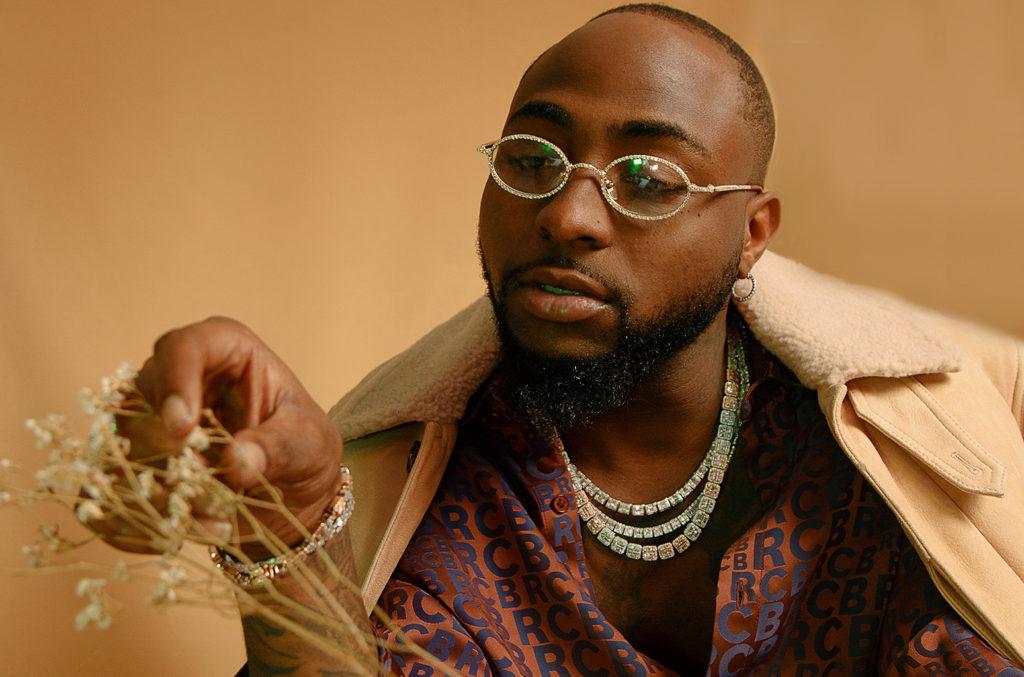
Sadio Mané’s story has never followed the conventional script. Born in Bambali, a small village in southern Senegal, Mané grew up far from the polished academies and pathways that often define modern football careers. As a child, he ran away from home twice, going to Dakar to chase a dream. What he had was belief, belief in himself, belief in football as a way out, and belief that his journey could be bigger than his circumstances.
That belief has carried him to the summit of African football once again. With Senegal’s victory at AFCON 2025, Mané has lifted the Africa Cup of Nations for the second time, cementing his legacy as one of the greatest players the continent has ever produced. This triumph is the culmination of a career defined by fight, sacrifice, and leadership.
Mané’s rise through European football was gradual and relentless. From Metz to Red Bull Salzburg, then Southampton, and finally Liverpool, each step demanded adaptation and growth. At Liverpool, he became a global star, winning the Premier League, the Champions League, and every major honour available. Yet even at the peak of club football, Mané’s connection to Senegal never wavered. International success mattered deeply to him, perhaps more than any club achievement.
For years, that glory proved elusive. Senegal endured heartbreak after heartbreak, none more painful than the 2019 AFCON final defeat to Algeria. But Mané never turned away. Instead, he carried the burden, often as the focal point of expectation, criticism, and hope.
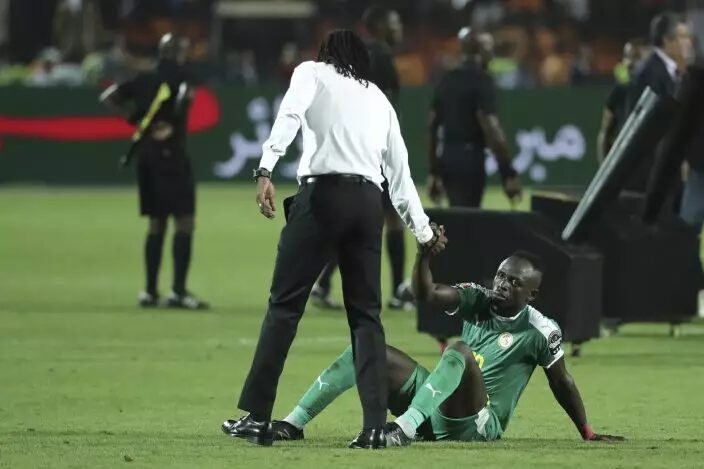
That perseverance was rewarded in 2022, when Senegal finally lifted their first AFCON title, with Mané scoring the decisive penalty. He was also named tournament MVP, a distinction he had previously earned in 2021. AFCON 2025 now stands as a reaffirmation, proof that Senegal’s golden era has substance and staying power.
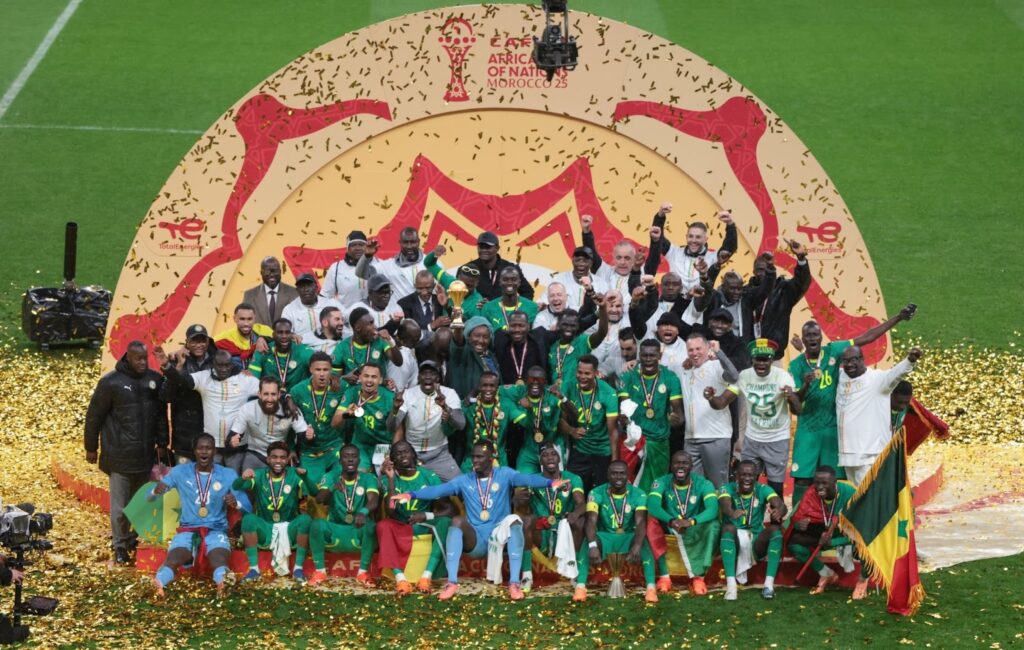
Throughout the 2025 tournament, Mané’s influence extended beyond goals and assists. He led with calm authority, setting the tempo, guiding younger teammates, and delivering in moments that demanded experience. His presence alone altered games. In a squad filled with talent, Mané remained the emotional and competitive heartbeat.
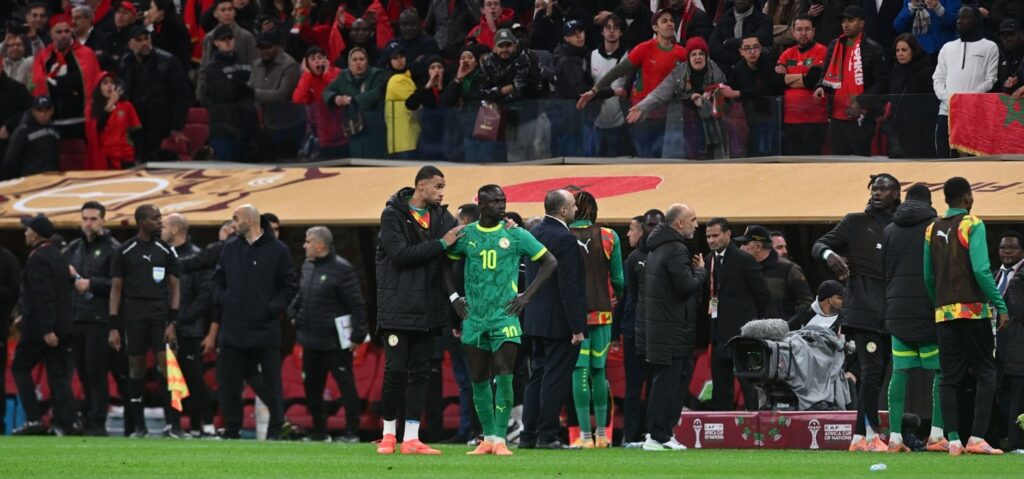
That leadership was most evident in the final against Morocco. Amid controversial refereeing decisions and growing frustration, Senegalese players briefly considered walking off the pitch. Mané did not. Instead, he rallied his teammates, urging them to stay focused and finish the contest. The game went on, and justice eventually prevailed, with Senegal emerging victorious.
What truly elevates Mané’s legacy, however, is what he represents beyond football. His commitment to giving back, funding hospitals, schools, and infrastructure in Bambali, has made him a symbol of humility and responsibility. In an era where fame often distances players from their roots, Mané has remained grounded, using his platform to uplift his community and inspire millions across Africa.
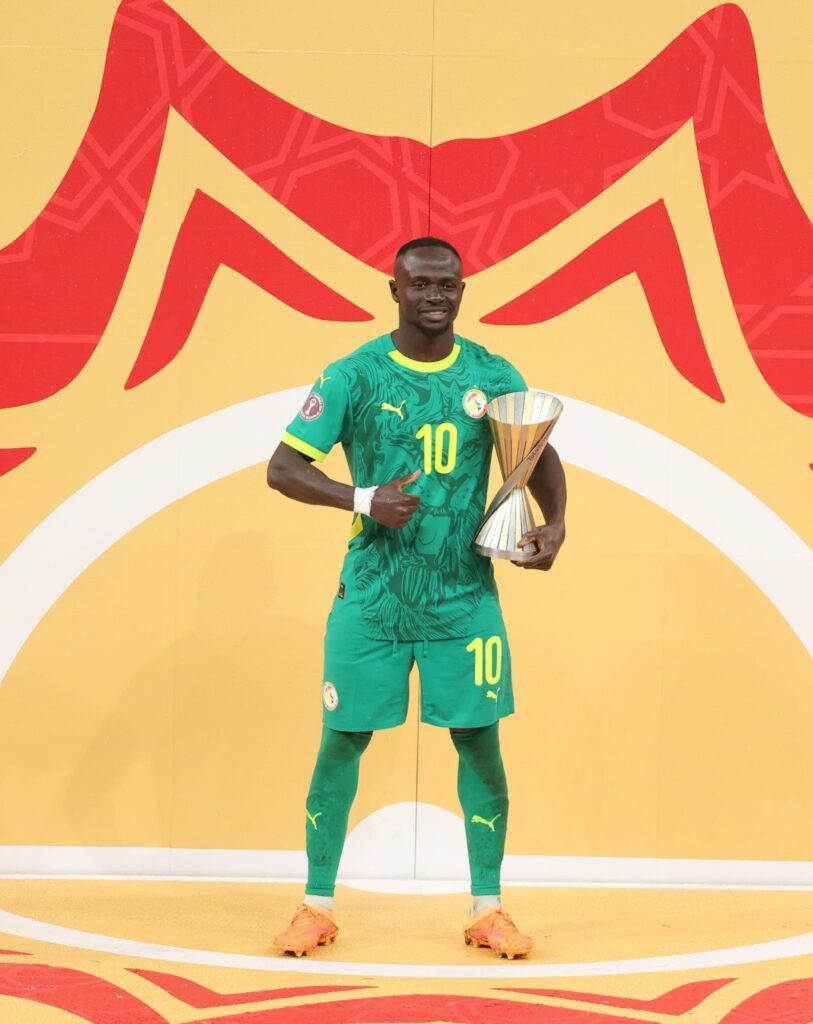
AFCON 2025 feels like the drawing of the curtains. From a barefoot boy dreaming in Bambali to a two-time African champion, Mané’s journey is a reminder that greatness takes time, patience, and unwavering purpose. With the 2026 World Cup set to be his final act on the global stage, his legacy, from an African perspective, is already as secure as it gets.